
Konjic, Bosnia and Herzegovina: Where Mountains, History, and Quiet Beauty Meet

Konjic is one of those towns that many travelers pass through without truly stopping, and that is exactly what makes it so special. Set along the emerald Neretva River and framed by some of the most dramatic mountain scenery in Bosnia and Herzegovina, Konjic feels calm, grounded, and deeply connected to its surroundings. For us, it was a place to slow down, breathe in the mountain air, and experience a different rhythm of life, far removed from the busier cities.
Sitting between Sarajevo and Mostar, Konjic is perfectly positioned for road trips through the heart of the country. It blends Ottoman heritage, Yugoslav history, and wild nature in a way that feels both understated and unforgettable.
How to Get to Konjic
Konjic is easily reached by road or rail. If you are traveling by car, it sits directly on the scenic route between Sarajevo and Mostar, with the drive taking just over an hour from either city. This stretch of road is one of the most beautiful in the country, following the Neretva River through steep valleys and mountain passes.

Trains also run regularly between Sarajevo and Mostar, stopping in Konjic along the way. This is a great option if you want to enjoy the scenery without driving, as the railway line hugs the river and offers stunning views throughout the journey.
Best Time to Visit Konjic
The best time to visit Konjic is late spring to early autumn, from May to October. During these months, the weather is ideal for hiking, lake visits, and exploring the surrounding mountains. Summer is warm but rarely overwhelming, thanks to the elevation and fresh mountain air.
Autumn brings cooler temperatures and golden forests, making it a particularly beautiful time to visit if you enjoy quieter landscapes. Winter transforms the area into a snow-covered wonderland, though access to some mountain roads and trails may be limited.
Exploring the Town of Konjic
Konjic itself is small and easy to explore on foot. Walking along the river, you will notice the town’s relaxed pace and strong connection to nature. The old stone bridge, built during the Ottoman period, is the town’s most recognizable landmark. Standing here, watching the Neretva rush beneath you, it is easy to understand why this river has shaped life in the region for centuries.
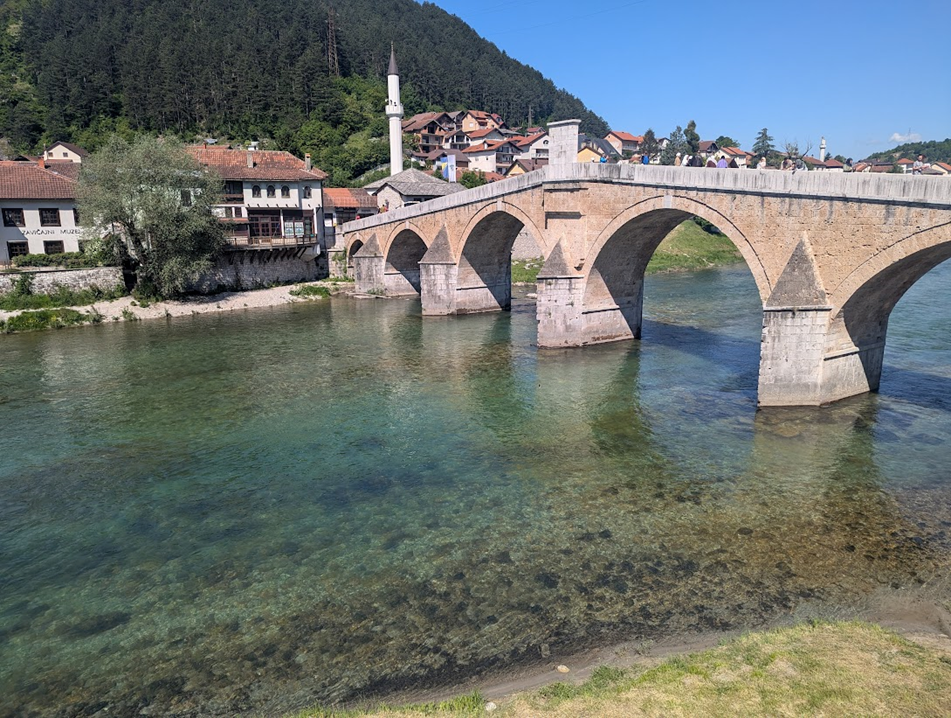
The town center has a handful of cafés and restaurants where you can enjoy traditional Bosnian dishes or simply sit with a coffee and watch daily life unfold. Konjic is not about ticking off attractions. It is about atmosphere and setting, and allowing the mountains to do most of the talking.
Tito’s Bunker: A Hidden World Beneath the Mountains
One of the most fascinating experiences in Konjic is visiting Tito’s Bunker, officially known as the ARK D-0. Hidden deep inside a mountain just outside town, this massive underground complex was built during the Cold War as a nuclear shelter for Yugoslav leader Josip Broz Tito and the political elite.
Access to the bunker is only possible with a guided tour, and according to what people say, stepping inside feels like entering a time capsule. The rooms, communication centers, and living quarters have been preserved almost exactly as they were, offering a surreal glimpse into a period defined by secrecy and global tension. The contrast between the peaceful landscape outside and the intensity of what lies beneath makes this one of the most memorable visits in the region. Unfortunately, this is an activity we were unable to do while we were in the town, but is definitely on the list when we inevitably travel back to Bosnia & Herzegovina.
Baracko Lake and the Prenj Mountains
Just thirty minutes from Konjic lies Baracko Lake, a stunning glacial lake tucked between the peaks of the Prenj mountain range. Reaching it involves a scenic drive followed by a gentle walk, and the moment the lake comes into view feels almost cinematic.
Surrounded by pine forests and rugged limestone mountains, the water is crystal clear and intensely blue. It is an ideal spot for a quiet swim, a picnic, or simply sitting by the shore and taking it all in. Unlike more famous lakes in the region, Baracko Lake remains relatively untouched, especially on weekdays, making it perfect for those seeking solitude and raw nature.

The Prenj Mountains themselves are often referred to as the Himalayas of Herzegovina. For experienced hikers, the area offers challenging trails and multi day routes, while gentler walks around the lake suit those who prefer something slower and more relaxed.
Outdoor Adventures Around Konjic
Konjic is a dream base for outdoor lovers. The surrounding area is known for rafting on the Neretva River, hiking through remote valleys, and exploring forest trails that feel far removed from modern life. Even short walks just outside town offer sweeping views of the river and mountains.

This photo was taken from: https://visit-konjic.trekksoft.com/en_GB/activity/75144/basic-rafting-tour-on-the-neretva-river
For couples and slow travelers, simply driving through the surrounding landscapes can be just as rewarding as a full hike. Every turn in the road reveals another dramatic view, another quiet village, another reason to stop and linger. It is worth saying that if you're planning to hike anywhere in Bosnia and Herzegovina, always stick to marked paths. The Bosnian war may have ended over 30 years ago, but live landmines may still remain in unmarked areas, a sobering reminder that history's consequences aren't always visible but are very much present.
Why Konjic Is Worth Stopping For
Konjic may not have the instant impact of Sarajevo or Mostar, but it offers something equally valuable, space. Space to breathe, to reflect, and to connect with nature and history without distraction. From the hidden corridors of Tito’s Bunker to the still waters of Baracko Lake, this is a place where stories are beautifully preserved within the landscape.
If you are traveling through Bosnia and Herzegovina, do not rush past Konjic. Stay a little longer, walk a little slower, and let the mountains do what they do best. They have been watching this town for centuries, and they have a lot to say if you are willing to listen.


Comments