
5 Most Romantic Ottoman Cities for Couples in 2026
Updated: Dec 31, 2025
The Ottoman Empire was on of the longest lasting empires in history that once stretched across Europe, the Middle East, and North Africa, leaving behind a rich tapestry of architecture, culture, and cuisine. For couples in 2026 seeking romantic getaways with a sense of history, the Ottoman legacy offers a treasure trove of destinations. From cobbled streets and domed mosques to riverside cafes and candlelit courtyards, these cities invite you to slow down, explore together, and create timeless memories.
Here’s a curated list of the 5 most romantic Ottoman cities that I have been to, perfect for couples travel in the Balkans and romantic getaways in Europe.
Mostar, Bosnia & Herzegovina
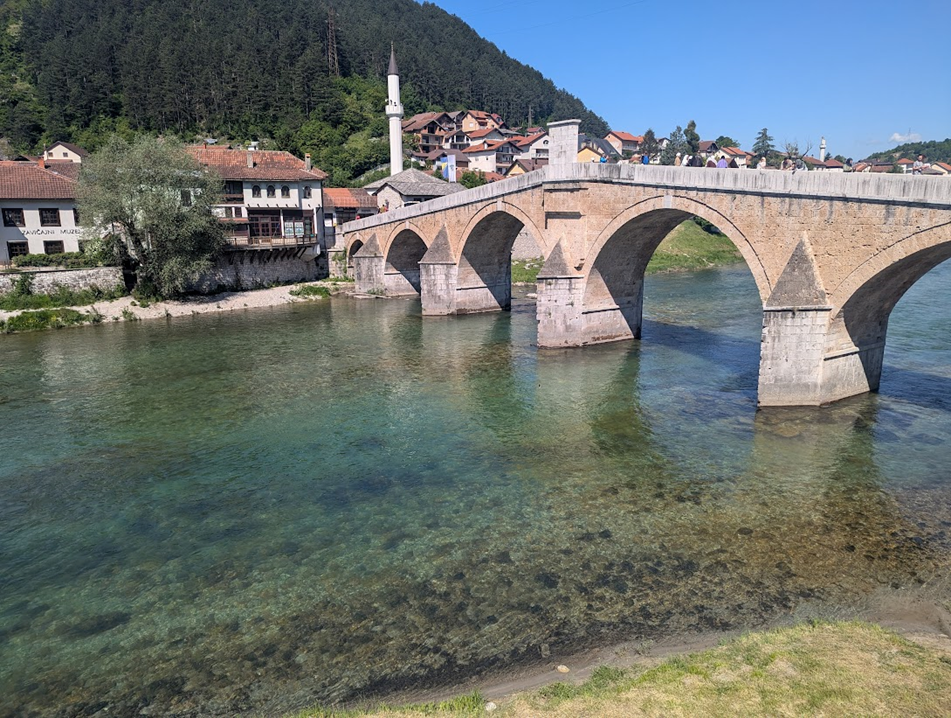
Mostar is a city of pure romance. Although the highlight is the iconic Stari Most bridge, a true masterpiece of Ottoman engineering that arches gracefully over the perfect emerald green Neretva River, there is so much more to love about this city.

Couples exploring Mostar will find countless ways to connect with the city throughout the day. This includes visiting the Koski Mehmed Pasha Mosque, where you can climb the slender minaret for a spectacular 360-degree panoramic view of the old town. From this vantage point, you’ll see the red-tiled Ottoman rooftops, the winding river, and the famous bridge below, perfect for capturing those once-in-a-lifetime photos together. Make sure to pack a lightweight travel camera or a compact drone to capture the moment from every angle. Wandering hand-in-hand through the Old Bazaar is equally magical. The cobbled lanes are lined with shops selling colourful textiles, copperware, and jewelry, echoing the vibrant atmosphere of a traditional Ottoman market. Slip into a shaded café for a cup of Bosnian coffee, or pick up a unique keepsake as a romantic reminder of your trip.

One of our favorite experiences was visiting Kajtaz House, a beautifully preserved 17th-century Ottoman residence originally owned by a wealthy Ottoman judge, but is now a UNESCO World Heritage site. Passed down through generations, the house still belongs to the same family, and our host Sedina welcomed us warmly with stories that brought its history to life. Stepping into the ornate wooden interiors and quiet courtyard felt like traveling back in time. It was one of the most immersive cultural highlights of our trip.
For adventurous couples, Mostar also makes the perfect base for exploring the surrounding nature. Just a 20-minute drive away lies the Blagaj Fortress, perched high above the Buna River with stunning valley views, while the rugged Prenj mountain range between Mostar and Konjic offers scenic hikes for those craving a taste of wild Bosnia. If you’re planning outdoor adventures, consider bringing hiking shoes for couples and a collapsible water bottle to keep things light but practical.

When it comes to accommodation, we couldn’t have asked for better than our stay at Villa Amaleo. These modern riverside apartments sit right on the banks of the Neretva, where the gentle sound of flowing water guarantees a peaceful night’s sleep. Waking up to the sight of the river each morning was the perfect way to start our romantic days in Mostar. For couples looking for alternatives, the Eden Villa Mostar offers romantic riverside suites, while the Hotel Mepas provides luxury comfort, a spa, and panoramic views of the city.
Mostar isn’t just a stopover, it’s one of the most romantic cities in Europe and a place where couples can slow down, savour each moment, and let history and beauty set the stage for memories that last a lifetime.
Sarajevo, Bosnia & Herzegovina
Sarajevo is a city like no other and is easily one of the most underrated destinations in Europe. I knew I’d fallen in love with it before even landing. As the plane descended, the view of terracotta rooftops nestled against vast mountain ranges looked like a painting. For couples seeking romance with depth, Sarajevo isn’t just another stop on a Balkan itinerary, it’s a unique place where history, culture, and natural beauty converge.
Bosnia & Herzegovina is one of the few countries that has actively preserved and embraced its Ottoman heritage, and you can truly feel this in Sarajevo. Walking hand-in-hand through the Baščaršija old town is like stepping back in time. Ottoman-era monuments surround you such as, the Gazi Husrev-beg Mosque, the historic medrese, the old clock tower, and the famous Sebilj Fountain, where pigeons circle in the main square. Food is also an essential part of Sarajevo’s charm. No visit is complete without trying ćevapi with kaymak, best enjoyed in one of the rustic taverns that line the bazaar.

For something slower and more intimate, we had to stop at Morica Han, a café housed inside a 16th-century Ottoman caravanserai. Sitting under the wooden beams, sipping Bosnian coffee served in copper džezvas, and watching locals share stories made us feel like travelers from centuries past. If you choose to visit and have a closer look around, you may spot some of the old rooms that used to host many travellers and merchants visiting the city. The locals there were also very warm and welcoming.

Sarajevo also welcomes couples who love to mix romance with a touch of adventure. Just outside the old town, you can hike to the Goat’s Bridge (Kozija Ćuprija), the only fully preserved Ottoman bridge from the 16th century. The 30–40 minute walk rewards you with views of the Yellow Fortress and White Fortress, both perfect for sunset. More adventurous couples can continue up to Mount Trebević, where the eerie ruins of the 1984 Olympic bobsled track snake through the forest. The hike takes around four hours, but those who prefer a gentler option can take the Sarajevo cable car straight from the city center (6 minute walk from the city hall) to the summit. A packable lightweight jacket and comfortable hiking shoes are must-haves if you plan to explore the hills together.

On our trip, we based ourselves in Ilidža, a quiet neighborhood just a five-minute drive from the airport. We stayed at MB Apartmani, modern, spacious, and peaceful, with easy access to the tram line that takes you directly to the city center. What made it truly special was the hospitality. Our host, Muharab, welcomed us warmly and even upgraded us to a larger apartment since the property was nearly empty in the off-season. Muharab also went above and beyond to ensure we were comfortable and well looked after which we greatly appreciated. With the entire place (and even the pool) to ourselves, it felt like a private retreat perfect for couples who value intimacy and quiet moments together. For travelers wanting more indulgence, the Swissôtel Sarajevo offers luxury spa facilities, while the Hotel Europe Sarajevo puts you in the heart of the Ottoman old town.
Sarajevo isn’t just one of the most romantic Ottoman cities in Europe, it’s a place where couples can stroll through living history, sip coffee in ancient courtyards, and wake up surrounded by mountains. Whether you come for the mosques, the bazaars, the hikes, or even some winter skiing, Sarajevo leaves you with the sense that you’ve shared something truly timeless.
Istanbul, Turkey
No list of romantic Ottoman cities would be complete without Istanbul. Once the beating heart of the Ottoman Empire and where I first became fascinated with Ottoman history, this important city covers two continents and offers couples an experience with limitless possibilities. The city’s skyline is unforgettable. Minarets rise elegantly into the sky, while the domes of ancient mosques glisten at sunset. For couples, one of the most breathtaking experiences is visiting the Hagia Sophia, a former church and mosque, now a museum, that embodies centuries of cultural fusion. Just across the square, the Blue Mosque is still an active place of worship and its intricate Iznik tiles create an atmosphere of tranquility that feels almost otherworldly.
Hand-in-hand, you can wander through the various palaces such as the old Topkapi Palace or the more recent Dolmabache Palace, where Ottoman sultans once lived with their families. The ornate courtyards, opulent harem rooms, and gardens overlooking the Bosphorus make it one of the most romantic historic sites in Europe. The Basilica cisterns are a jaw dropping site, that still stand below the streets of Istanbul. Truly impressive considering they pre-date the Ottoman empire itself.

Beyond the palaces and mosques, Istanbul shines through its intimate experiences. One of our most memorable moments was taking part in a perfume-making workshop. Together, we crafted a fragrance blend unique to us. It was the perfect sensory souvenir that has stayed with us, long after leaving the city. There are many more cool and unique activities that can be booked during your stay in Istanbul.
Istanbul is home to over 16 million people so constantly being in the city can become a bit overwhelming sometimes, when this happened we escaped to the Princes’ Islands. Just a short ferry ride away, these car-free islands are filled with horse-drawn carriages, pine forests, and seaside cafés. The are also a few beach clubs where you can relax in the sun throughout the day. Cycling together along quiet lanes, away from the chaos of Istanbul’s traffic, was one of the more peaceful experiences of our trip.
At night, we discovered a different side of the city in Kadıköy. Known for its vibrant bar scene, the area buzzes with music, laughter, and youthful energy. Karaoke is especially popular here, and we joined locals belting out Turkish ballads and global hits. Many karaoke bars required mixed groups of men and women for entry, so couples are warmly welcomed, while single groups of men might struggle to get in. For us, it made for a lively and memorable night, full of silly songs and laughter.

Of course, no trip to Istanbul would be complete without getting lost in the Grand Bazaar and the Egyptian Spice Market. With over 4,000 shops selling everything from lanterns and spices to jewelry and leather goods, this labyrinth is a wonderland for couples. A lightweight daypack is essential here to carry your finds. For a slower pace, nothing beats a sunset Bosphorus cruise. Watching the city lights flicker on while sailing between Europe and Asia, sipping Turkish tea or wine together, was pure magic. Istanbul is also a foodie’s paradise. Share plates of meze at a rooftop restaurant overlooking the Galata Tower, or tuck into freshly grilled fish in Karaköy. A full list of must try restaurants that I have curated can be found here. Be sure no to leave without indulging in Turkish delight gift boxes and sticky-sweet baklava, perfect to bring home as edible souvenirs.
While Istanbul is undeniably one of the most romantic Ottoman cities, one challenge we faced was the country’s ongoing hyperinflation. Prices can fluctuate dramatically, even within the same week, making budgeting more difficult than in other Balkan or European destinations. Meals, taxis, and even attractions that feel affordable one day may feel unexpectedly expensive the next. While this doesn’t take away from the city’s magic, it does make Istanbul less predictable compared to other Ottoman gems like Sarajevo or Mostar. For that reason, it doesn’t sit higher on my list of top couple-friendly getaways in 2025.
When it comes to accommodation, Istanbul caters to every couple’s dream. For luxury, the Four Seasons Hotel Istanbul at Sultanahmet offers a regal stay in a converted Ottoman prison, just steps from Hagia Sophia. For those craving waterfront romance, the Shangri-La Bosphorus is unmatched, with sweeping Bosphorus views and world-class dining.
Istanbul isn’t just a city, it’s a romantic getaway in Europe and Asia at once. Between palaces, mosques, bazaars, islands, and late-night karaoke, it offers couples both the grandeur of history and the intimacy of shared, unforgettable experiences.
Thessaloniki, Greece
Thessaloniki is a city that seems to have lived a thousand lives. Once part of the Byzantine Empire and later under Ottoman rule, it has remained an important trading port for centuries. Today, the city mostly embraces its Greek and Christian roots, yet remnants of its Ottoman past are scattered all across its streets. It is a quiet reminder of the layered history that shaped it. For couples seeking a destination that combines seaside beauty, culture, and cuisine, Thessaloniki is one of Europe’s most fascinating cities to explore.

Walking through the centre of the city, you can sense its rhythm, a balance between modern cosmopolitan life and ancient heritage. Aristotelous Square, lined with cafés and elegant boutiques, is the city’s beating heart, leading down to the seafront promenade where locals stroll in the evenings. Overlooking it all is the White Tower, once used as a prison during the Ottoman era. Today it stands as Thessaloniki’s most iconic landmark and a symbol of the city’s transformation. Watching the sunset from the promenade, with the Aegean breeze carrying the sound of distant music, is easily one of the most romantic moments you can share here.

Thessaloniki is also considered one of the culinary capitals of Europe, and it truly lives up to that title. The city’s food scene is vibrant. Think fresh seafood, grilled meats, meze platters, and syrup-soaked pastries that reflect a blend of Greek, Balkan, and Ottoman influences. Whether you’re enjoying a long lunch in the Ladadika district, with its colourful tavernas and live music, or grabbing a bougatsa pastry with cream and cinnamon from a street bakery, it’s impossible not to fall in love with Thessaloniki through its food.
Exploring the city further reveals how deeply Ottoman history is woven into its urban fabric. We spent a day walking around, uncovering ruins of Ottoman monuments that still whisper stories of a different era, such as the Hamza Bey Mosque, Bezesten (covered market), and Bey Hamam, once the grandest bathhouse in the city. Some still stand tall today, like the Rotunda, a circular structure that has served as both a church and a mosque, and the gorgeous Hagia Sophia Church, whose design mirrors its namesake in Istanbul. It was fascinating to see how faith and architecture intertwined across centuries and empires, giving Thessaloniki its unique personality.

Just an hour’s drive away, we discovered one of our favourite spots of the trip, Epanomi Beach. The crystal-clear water was perfect for snorkeling, especially around a nearby shipwreck that rests just below the surface. Afterward, we headed to Melissa Beach Club, where we spent the afternoon relaxing to the sound of live Greek music that carried hints of Ottoman melodies played on the saz. The atmosphere was warm, the food was delicious, and the mix of cultures felt like a living echo of the city itself.
When night falls, Thessaloniki comes alive in a completely different way. The nightlife is vibrant, youthful, and full of energy. Egiptou Street is the place to be, lined with lively bars, clubs, and outdoor terraces that spill into the warm evening air. For something truly unique, venture inland to find Aigli Geni Hamam, a chic bar built inside a restored Ottoman bathhouse. Sipping cocktails beneath its ancient domed ceilings was unlike any other nightlife experience we’ve had. It was a beautiful fusion of history and modern fun that captures Thessaloniki’s spirit perfectly.
As enchanting as the city is, Thessaloniki isn’t without its challenges. Many Ottoman monuments remain in ruin, though restoration work is slowly being carried out on places like the Hamza Bey Mosque and Bey Hamam. More recently, Greece has also begun grappling with the impact of overtourism, and we noticed graffiti in some areas reading “Tourists Go Home.” While this may not reflect the attitude of most locals, it’s a reminder that visitors should travel respectfully. Supporting small, locally owned businesses, visiting during the shoulder seasons, and being mindful of waste can all help reduce tourism’s impact on this incredible city.
Thessaloniki might not have the same depth of Ottoman architecture as Sarajevo or Istanbul, but it makes up for it with its seaside charm, incredible cuisine, and that effortless Greek flair for living well. It’s a place where the Ottoman and Mediterranean worlds still touch, where ancient ruins stand beside buzzing cafés, and where couples can taste, wander, and fall in love with history one seaside sunset at a time.
Sofia Bulgaria
Sofia might not be the first city that comes to mind when you think of romantic getaways in Europe, but it’s one that stays with you. Nestled beneath Mount Vitosha, Bulgaria’s capital is a city where East meets West in the most unexpected ways. While the skyline today is defined by Orthodox domes and Soviet-era blocks, remnants of its Ottoman past still linger quietly throughout the city, offering couples a chance to explore a place shaped by centuries of change. During its five centuries under Ottoman rule, Sofia was a thriving administrative centre and trade hub connecting the Balkans to the heart of the empire. Even now, you can still trace those layers of history across the city.

Our first stop was the Banya Bashi Mosque, built in the 16th century by the great Ottoman architect Mimar Sinan. It’s one of the few active mosques left in Bulgaria and a peaceful reminder of the city’s diverse past. Just opposite stands the Central Mineral Baths, their striking yellow-and-white façade still drawing locals who fill bottles with the thermal water that once fed the Ottoman hammam. From there we wandered towards the Sofia Synagogue, one of the largest in Europe, and the nearby St. Nedelya Church, where the call to prayer once mingled with church bells. Standing there, surrounded by Christian, Muslim, and Jewish landmarks all within sight of one another, felt symbolic of Sofia itself. Layered, complex, and still harmonious. The Women’s Market (Zhenski Pazar) was another highlight. Once a bustling Ottoman trading hub, it’s still full of life today, with stalls selling honey, herbs, and handmade pottery. We spent an afternoon weaving through the chaos, chatting to vendors, and sampling pastries while the sound of street musicians filled the air. It’s messy, colourful, and perfectly alive. Exactly the kind of place where Sofia’s soul reveals itself.

One of the most rewarding parts of our visit was simply speaking with locals. Bulgarians are deeply proud of their heritage and happy to share it, but when it comes to their Ottoman past, the mood changes. Most people we met described those centuries as a time of hardship, marked by heavy taxes on non-Muslims and the devşirme system, which took Christian boys from their families to serve in the empire. Yet amid those memories, there’s one name many still speak of fondly. Cem Sultan, the exiled Ottoman prince who had ambitions to once again split the empire, became a beloved figure remembered for his kindness and intellect. Conversations like these reminded me that history here isn’t just in monuments; it’s alive in people’s stories, emotions, and perspectives.
Sofia’s nightlife is as diverse as its history. We joined a few pub crawls, hopping between cozy basement bars and lively open-air spots along Vitosha Boulevard, meeting travelers and digital nomad from all over the world. One night turned into something unforgettable when we stumbled upon a band called Merudia performing live Bulgarian folk music. The energy in the room was electric, rhythmic drums, hypnotic vocals, and melodies that felt both ancient and modern, from the nay flute to the electric guitar. The sound was hypnotic, almost trance-like, and easily one of the most captivating live music experiences I’ve ever had. Bulgarian music, I realised, ranks among the best in the world for its raw emotion and complex rhythms.
For a dose of nature and a romantic escape from the city, we took a short drive up to Mount Vitosha, which towers right behind Sofia. In summer, it’s ideal for hiking or picnicking; in winter, it transforms into a small ski resort. From the higher viewpoints, you can see the city stretching into the valley below, a breathtaking panorama that makes you forget how close you are to the bustle.

While Sofia has its charm, not every part of my experience was positive. Bulgaria’s relationship with its Ottoman past remains complicated, many locals don’t embrace that chapter of their history, and Ottoman sites often receive little recognition or care. Beyond history, I also encountered some personal challenges that were difficult to overlook. As a Black traveler, I experienced instances of racism and prejudice, mainly from police and security staff. On one walk, I was stopped and searched by police for drugs without cause, and at several bars, bouncers searched me thoroughly while my friends and other non-Black patrons were waved through without question. These moments were disheartening and served as a reminder that travel, even in welcoming places, can come with uncomfortable realities.
We stayed at the Rosslyn Thracia Hotel, perfectly located near Vitosha Boulevard, with cozy rooms and an excellent breakfast. Couples seeking a more indulgent stay can check into the Sense Hotel Sofia, which offers a rooftop bar with panoramic views of Alexander Nevsky Cathedral—one of the most romantic spots in the city for an evening cocktail.
Sofia might not boast the grandeur of Istanbul or the riverside charm of Mostar, but it has something quietly powerful—a sense of resilience and continuity. Between Ottoman mosques, Orthodox cathedrals, and Soviet monuments, the city tells a story of transformation and endurance. For couples, it’s a place to slow down, explore its many layers, and discover beauty in the spaces where history and modern life coexist.


Comments